
Easee One Charger: Type B RCD and PEN Protection Explained
The Short Answer
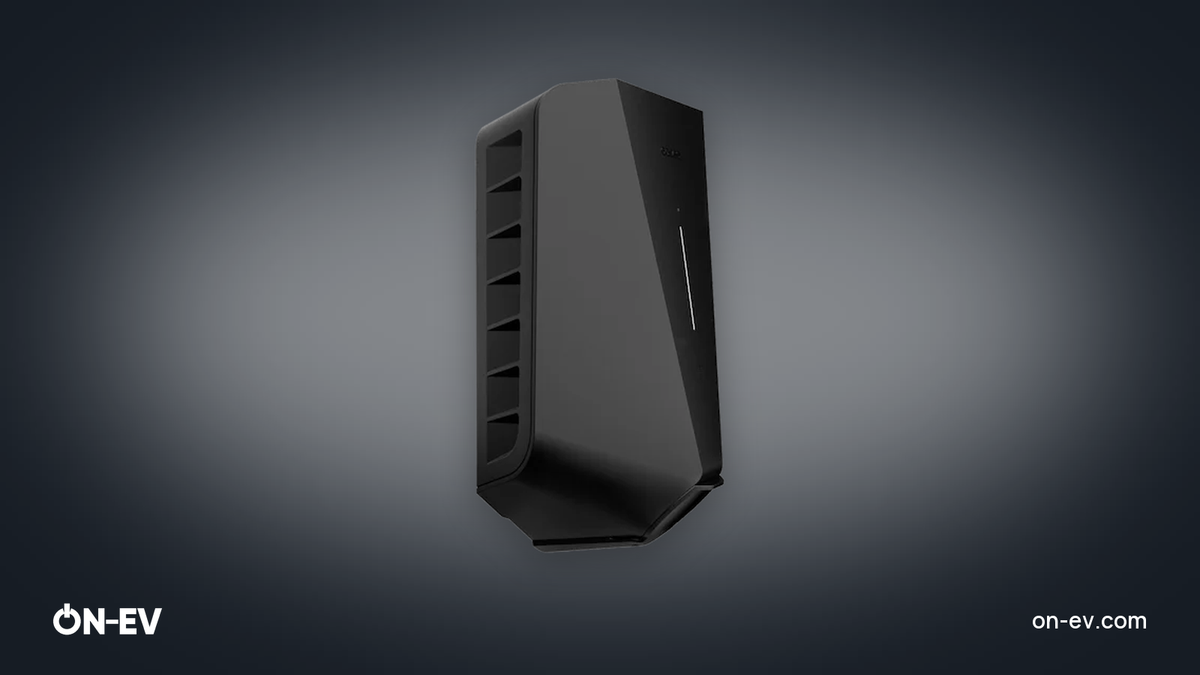
The Easee One charger has a Type B RCD and PEN fault protection built in. An RCD is a residual current device that trips when current leaks to earth, and the Type B grade also covers DC leakage. The Easee One has built-in PEN fault protection, so an earth electrode is not needed on PME supplies.
What does a Type B RCD do in an EV charger?
A Type B RCD is a residual current device that trips when current escapes from the circuit by a route it should not take, such as through a person or a damaged cable. The Type B grade also covers DC leakage, which chargers can produce and plainer RCDs do not detect.
The Easee One has an integrated Type B RCD (Type A + 6mA DC fault detection). The RCD is built into the charger. Ask your electrician whether the circuit still needs a separate device.
Do you need an RCD for an EV charger?
RCD protection for an EV charger circuit can sit in the charger itself or in a separate device at the consumer unit. A charger with no RCD of its own relies on another device in the circuit. Your electrician specifies what your circuit needs.
With the Easee One, the RCD is in the charger, so tell the electrician that when you ask for a quote. The electrician decides what the rest of the circuit needs, based on your property and your supply.

What is PEN fault protection?
PEN stands for protective earth and neutral, the combined conductor on a PME supply. The Easee One has built-in PEN fault protection, so an earth electrode is not needed on PME supplies. Your electrician confirms the setup for your property.
A PEN fault matters most outdoors, where the car stands on the drive. The Easee One has "built-in PEN fault protection that removes the need for an earth electrode on PME supplies".
Why does an earth electrode matter on a PME supply?
An earth electrode, often a rod driven into the ground, gives a charger a separate connection to earth. The Easee One has built-in PEN fault protection, so the electrode is not needed on PME supplies. Your electrician confirms whether your own supply is PME.
Knowing that lets you ask a sharper question when you compare quotes: does this job need an electrode, or does the charger cover it?
What protection is built into the Easee One?
The Easee One has three built-in protections: a Type B RCD, PEN fault protection and surge protection. It is also IP54 weatherproof and IK10 impact rated. The table below sets out what each one covers.
| Protection or rating | What it covers | On the Easee One |
|---|---|---|
| RCD | Current leaking to earth, including DC leakage | Built-in Type B (Type A + 6mA DC) |
| PEN fault protection | The combined neutral and earth on a PME supply | Built-in PEN fault protection |
| Surge protection | Voltage spikes on the supply | Built-in surge protection (SPD) |
| Weather and impact | Weather and knocks | IP54 weatherproof, IK10 impact rated |

Easee One EV Charger
What should you ask your electrician about the Easee One?
Ask the electrician four things when you compare quotes for a charger with built-in protection. The answers show whether each quote allows for the RCD and PEN protection the charger already has, or prices extra devices you may not need.
- Does the quote assume a separate RCD, and is one needed when the charger has a Type B RCD built in?
- Is the supply PME, and does the job include an earth electrode?
- What does the rest of the circuit need, such as the consumer unit and cable run?
- Where will the charger be mounted, given its weather rating?
Your electrician has the final say on all four. Putting the questions in writing makes quotes easier to compare.

What else should you know about the Easee One?
The Easee One costs £478.00 and delivers "7.4kW / 32A single phase output, adjustable 6–32A". It has an "Untethered Type 2 socket (cable sold separately)", so you choose the cable. The warranty is 3 years. Our tethered vs untethered guide covers that choice.
The Easee One is also "Compatible with the Easee Equalizer (sold separately) for dynamic load management and solar PV integration." For the full picture of the charger, read the Easee One review, and see the Easee range explained if you are weighing it against the three-phase models.
Easee One EV Charger
Browse more options in our home chargers, or see charging accessories for the parts that go with them.
Frequently Asked Questions
Does the Easee One have a built-in RCD?
Yes. The Easee One has an integrated Type B RCD (Type A + 6mA DC fault detection). Ask your electrician whether the circuit still needs a separate device.
Do I need an earth rod for the Easee One?
The Easee One has built-in PEN fault protection, so an earth electrode is not needed on PME supplies. Your electrician confirms your supply type.
What is the difference between a Type A and a Type B RCD for an EV charger?
A Type A RCD covers AC leakage and some pulsing DC. A Type B RCD also detects smooth DC leakage. The Easee One has a built-in Type B RCD (Type A + 6mA DC fault detection), and your electrician confirms whether anything else is needed.