
How Much Electricity to Charge an Electric Car? Faster Chargers Use No More
The Short Answer
How much electricity it takes to charge an electric car depends on your battery size and how far you drive, not on the charger. A 7.4kW wall box fills the battery faster than a slower one, but both put in the same energy for the same miles. Your tariff and the time you charge change the bill.
What is the difference between kW and kWh?
A kilowatt (kW) is the speed at which power flows. A kilowatt hour (kWh) is an amount of energy: the power multiplied by the time it runs. Charger ratings are in kW. Your electricity bill and your car's battery are measured in kWh.
Think of a tap and a bath. The tap's flow rate is the kW. The size of the bath is the kWh. A wide-open tap fills the bath sooner, but the bath holds the same water either way. Your supplier bills you for the water, not for how wide the tap was open.
How much electricity does an electric car need to charge?
An electric car needs the energy you used driving, plus a small loss while charging. Drive further and you put more kWh back. A bigger battery only matters if you empty it. A driver who tops up after a short commute adds little, whatever the charger's rating.
Your car's handbook gives the battery capacity, and the trip computer shows how many kWh the car uses per mile. Those two numbers tell you more about your bill than any charger specification.

Does a faster charger use more electricity than a slower one?
A faster charger does not use more electricity to fill the same battery. It draws more power for a shorter time. Slower charging draws less power for longer. Multiply power by time and you get the same kWh, so the energy on your bill is the same.
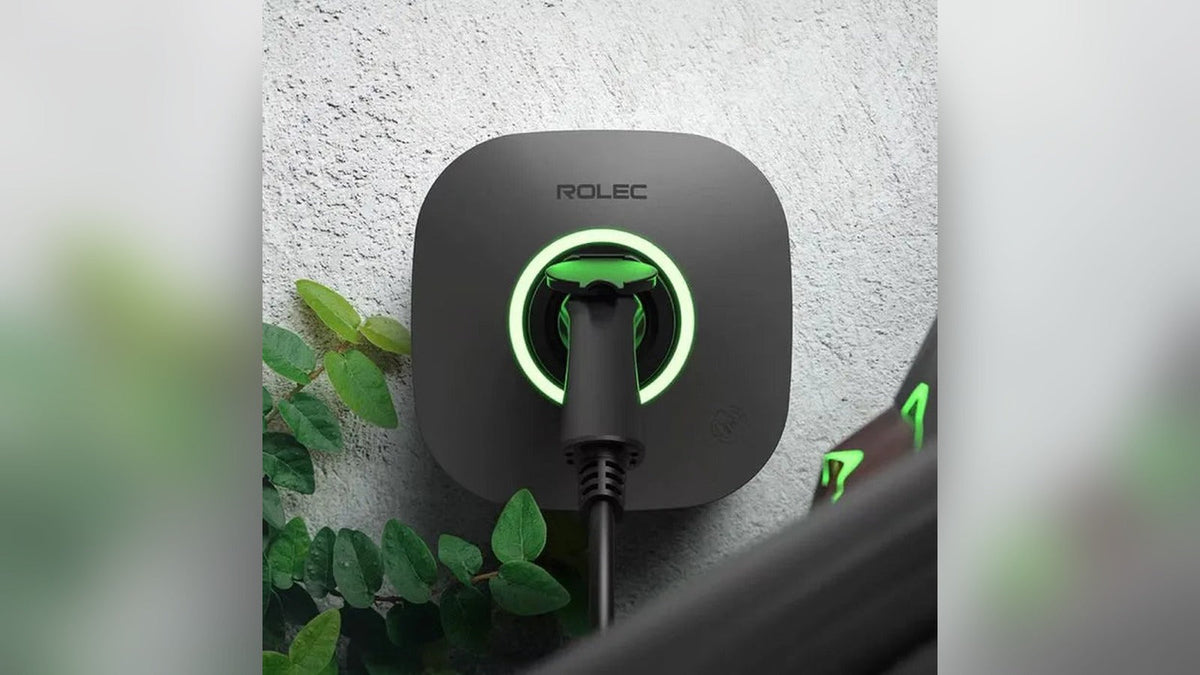
Take the two chargers in the table below. The Rolec EVO is rated 7kW / 32A single phase and the Evec VecGO is rated 7.4kW, single phase. The Evec draws slightly more power, so it finishes slightly sooner. After a full session both have delivered the same energy to the same car.
The car also has a say. Its own charging limit caps the rate it accepts, so a higher charger rating does not always mean a faster charge. Your handbook states the limit for your model.
| Charger | Rating | Connector | Price | Load features | Warranty |
|---|---|---|---|---|---|
| Rolec EVO | 7kW / 32A single phase | Untethered Type 2 socket | £419.20 | Dynamic load management | 5 years |
| Evec VecGO 2.0 | 7.4kW, single phase | Universal Type 2 socket | Shadow Black £289.00, other colours £311.00 | CT clamp included | 3 years |
What actually changes the cost of charging at home?
Four things change the cost: your tariff, the time of day you charge, how much energy the charger loses as heat, and how far you drive. A charger's kW rating is not on that list. A cheaper overnight rate lowers the price of the same kWh without changing how many you use.
- Tariff: the price you pay for each kWh is set by your supplier and plan.
- Time of day: some tariffs charge less at night, so a scheduled session costs less than the same session at teatime.
- Efficiency: some energy is lost as heat between the socket and the battery, so you pay for slightly more than the car receives.
- Driving: more miles mean more kWh to replace.
Scheduling is where a charger helps. The Rolec EVO offers Smart scheduling via app, so you can start a session when your cheaper rate begins. Scheduling moves the charge to a cheaper time. It does not reduce the energy.

Does load management change how much electricity I use?
Load management changes how fast the charger runs, not how much energy the car receives. It lowers the charger's output when the rest of your home is drawing heavily, so you stay inside your supply limit. The car then takes a little longer, and the total energy stays the same.
The Evec VecGO comes with CT clamp included for load balancing straight out of the box, and the Rolec EVO lists Dynamic load management. Both suit a home where the kettle, oven and charger may run together. Our guide to choosing a home EV charger covers when that matters.
How do I work out my own cost to charge an electric car?
Work out the kWh you add, then multiply by your own unit rate. Start with the miles you drive in a week and your car's kWh per mile. Add a little for charging losses. Our EV Charging Calculator does the sum with your figures.
We give no pence per kWh figures here, because your plan sets them. Take the rate from your latest bill or your supplier's app and enter it in the calculator.
Which home charger suits a worried first-time buyer?
Either charger in the table will fill your car at a pace that fits an overnight stop, and neither raises your bill by itself. Choose on the features around the charging: connector, colour, weather rating and the load handling your home needs.
The Evec VecGO has 5 colour options and starts at Shadow Black £289.00. The Rolec EVO is British made and carries an IP54 weather rated finish for an outdoor wall. Both use a Type 2 socket, so you supply your own cable. Read our tethered vs untethered guide if that is new to you, or browse all home chargers.
Evec VecGO 2.0 | 7.4kW Socketed | Type 2 | VEC01-N
Rolec EVO EV Charger | 7kW Smart Home Charger | UK Made
Frequently Asked Questions
How much electricity does it take to charge an electric car?
The amount equals the energy your car used on the road, plus a small charging loss. Battery size sets the most it can take, and your mileage sets what it takes in practice.
Will a 7.4kW charger push my electricity bill up?
No. A 7.4kW charger delivers energy faster, so the session is shorter, but the kWh added for the same miles is the same. Your bill moves with your tariff, your charging time and your mileage.
Does charging overnight use less electricity?
Overnight charging uses the same energy as daytime charging. It can cost less if your tariff has a cheaper night rate, which is why scheduling is useful.