
Changing Your EV? What Happens to Your Home Charger
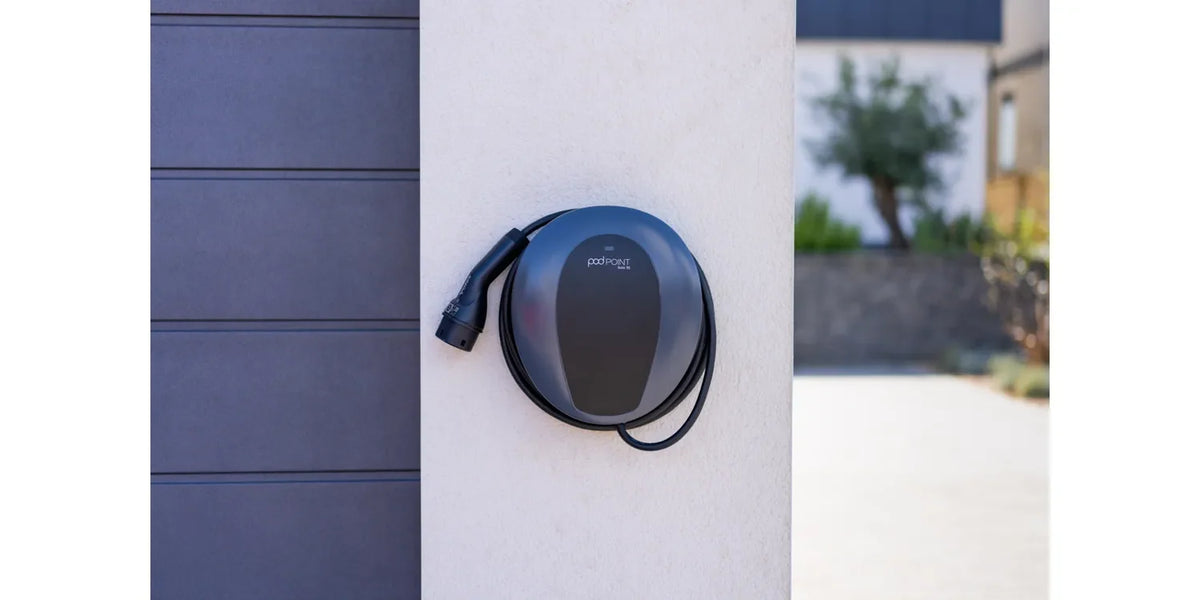
The Short Answer
Yes, your home charger will work with the new car. All EVs sold in the UK use the Type 2 AC connector for home charging, so the plug on your charger or cable fits. What can change is the position of the charge port, and with it how far the cable has to reach.
A socketed charger lets you swap the cable if the new port is awkward. A tethered charger keeps the cable it came with.
What Stays the Same When You Change Car
Nothing needs adapting. The connector is the same, so you have no reason to replace the charger because the car is new. You pull up, plug in and carry on.
The charger's rating stays the same too. The Andersen Quartz is a 7.4kW single phase smart EV home charger, and the Pod Point Solo 3S is rated at 7kW single phase (Mode 3). The new car sets its own limit through its onboard charger, so a model that accepts less than the charger can supply will charge at the lower rate. Look up the spec sheet for the new model if overnight charging time matters to you. Our guide to choosing a home EV charger covers what else affects speed.
A charger can also outlast the car it was bought for. The Andersen Quartz carries a 7-year warranty and the Pod Point Solo 3S a 3 year warranty from Pod Point.
What Changes: Port Position and Cable Reach
Charge ports sit in different places: a front wing, a rear corner, the driver's side or the passenger's side. Your current car might have its port at the front on the driver's side. The new one could have it at the rear on the passenger's side, which puts the port a full car length further from the wall unit if you park the same way.
Picture a charger on the wall beside the front door, with you nosing into the drive. A front port on the near side reaches easily. A rear port on the far side needs the cable to run along or across the car, and it may fall short. Leave some slack in the run. A cable pulled tight is awkward to plug in, and one lying across a path is a trip hazard.
If you have a tethered charger and the cable falls short, the quickest fix is to park the other way round, because the cable length is fixed. Our tethered vs untethered guide goes through how each type suits different drivers.
Tethered or Socketed: How Each Copes With a New Car
With a socketed charger you plug a separate cable into the unit and into the car. If the new port is further away, you buy a longer cable and keep the charger exactly as it is. If it is closer, a shorter cable is easier to handle. Our Type 2 cable length guide helps you pick a length.
A tethered charger is simpler day to day, since the cable lives on the unit and is always there. You choose the length when you buy, so it pays to think about where the next car might have its port.

| Charger | Option | Cable | Price |
|---|---|---|---|
| Pod Point Solo 3S | Untethered (Socket) | Your own cable | £467.00 |
| Pod Point Solo 3S | Tethered (5m Cable) | Fixed 5m | £499.00 |
| Andersen Quartz | Standard / Untethered | Your own cable | £675.00 |
| Andersen Quartz | Standard / Tethered 5.5m | Fixed 5.5m | £744.00 |
| Andersen Quartz | Standard / Tethered 8.5m | Fixed 8.5m | £794.00 |
Two Chargers, Two Ways to Handle It
The Pod Point Solo 3S comes both ways. You can choose a fixed 5m tethered Type 2 cable so you plug in and go, or a universal Type 2 socket so you can use your own cable and swap it later. If you expect to change car every few years, the socket is the version that keeps your options open, and it costs less than the tethered one.
Pod Point Solo 3S EV Charger
The Andersen Quartz is available with a Type 2 socket or a tethered Type 2 cable. The tethered Standard finish comes in two lengths, 5.5m and 8.5m, so a driver who knows the drive layout can pick the longer cable now and give the next car more reach.

Andersen Quartz EV Charger
A Quick Check Before the New Car Arrives
Look up the new model's charge port position before delivery. Photos on the maker's site or a dealer walkaround video show it. Then work out which way you will park at the charger and where the port ends up.

On delivery day, park as you normally would and hold the cable up to the port before you settle into a routine. If it only just reaches, try parking the other way round for a week. If that is awkward, a longer cable on a socketed unit is the cleaner answer.
Browse our best home EV chargers picks if your current unit has other limits you would like to fix at the same time.
Frequently Asked Questions
Will my home charger work with a different make of EV?
Yes. All EVs sold in the UK use the Type 2 AC connector for home charging, so any new car you lease or finance plugs into your charger or its cable.
Should I choose a socketed charger if I change car often?
A socketed charger gives you the most freedom, because you can swap the cable whenever a new car has a port in a different place. The Pod Point Solo 3S socket version is designed for this, with a universal Type 2 socket so you can use your own cable and swap it later. A tethered unit suits you better if you park the same way every night and want the cable always ready.
What if my new car's charge port is on the opposite side?
Park the other way round first, since that often brings the port close to the charger. If it still does not reach, a socketed charger lets you buy a longer cable. With a tethered charger the cable length is fixed, so parking position is your main adjustment.